- Sanitas Hub
- Posts
- When ADHD Makes the Headlines:
When ADHD Makes the Headlines:
Why Workplace Understanding Matters More Than Ever

Christina James
August 20, 2026

If you watched Channel 4 this week, you'll know exactly what I'm talking about. The Great ADHD Myth? landed on our screens on Tuesday night and, within hours, it had done exactly what its question-mark title promised sparked a genuine storm. Presenter Dr Max Pemberton questioned whether ADHD is a true neurodevelopmental condition or, as he put it, a "social construct." ADHD charities have since called for people to complain to Ofcom, and the Global ADHD Advocacy Network has publicly condemned the framing as harmful to a community that already spends a lot of its life being disbelieved.
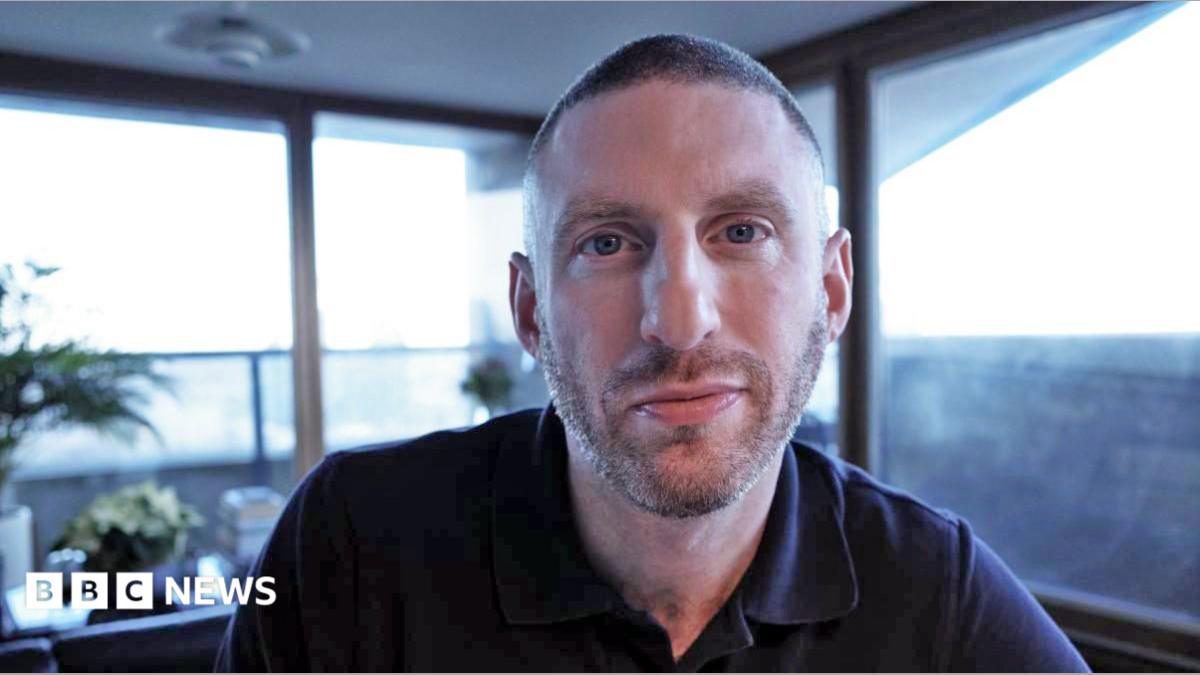
I'm not going to use this newsletter to relitigate the documentary point by point plenty of people with far more airtime than me are already doing that. But I do want to talk about what this moment tells us, because as a Registered Mental Health Nurse and Neurodiversity Awareness Trainer, I've spent 14 years watching exactly this kind of public confusion play out in real workplaces, with real people.
The confusion is the point and it's costing people
Here's the thing that a week like this always confirms for me: when the public conversation around ADHD gets this noisy, it's the neurodivergent people already in your workforce who feel it first. Not as a headline, but as a colleague suddenly wondering whether their manager now thinks their diagnosis is "just modern life," or whether the reasonable adjustment they asked for last month is quietly viewed with more suspicion this month.
Confusion at a national level doesn't stay at a national level. It walks straight into your Monday morning stand-up, your performance review, your HR conversations. And when managers and teams don't have solid, evidence-based understanding to fall back on, that confusion fills the gap left behind by a 47-minute documentary — instead of being filled by what fourteen years of clinical evidence, and my own career in mental health, actually tells us.
This is exactly why workplace awareness training exists
I built our neurodiversity training for moments like this one. Not to tell your teams what to think about a TV programme, but to give managers and colleagues something far more useful: a grounded, practical understanding of what ADHD actually looks like at work, how to support it well, and how to separate evidence from noise when the noise gets loud.
Good training doesn't ask your team to take a side in a media debate. It gives them the confidence to keep treating their neurodivergent colleagues with the same respect, flexibility, and fairness on Wednesday as they did on Monday regardless of what aired on Tuesday night.
That's the whole point of neurodiversity awareness in the workplace. It's not a box-ticking exercise. It's the difference between a team that panics or performs when a topic gets complicated, and a team that already has the knowledge to hold steady.
What our training actually covers
What ADHD is, grounded in current clinical evidence — not headlines
How ADHD traits can show up differently across different people and roles
Practical, low-cost reasonable adjustments that make a genuine difference
How to have supportive, non-judgemental conversations with neurodivergent colleagues
Building a culture where disclosure feels safe, not risky
You can see the full training offer here: sanitashub.co.uk/training

A moment worth acting on
If this week's headlines have prompted questions in your workplace whether that's from managers unsure what to say, or from neurodivergent team members who feel a bit more exposed than usual that's not a sign to wait it out. It's a sign the timing is right.
Ready to bring genuine, evidence-based neurodiversity understanding into your workplace? Get in touch today to book training for your team: sanitashub.co.uk/contact
Because whatever a documentary title asks, the people in your workplace living with ADHD don't need a debate. They need to be understood.
With care,
Christina
Sanitas Hub
For further inquiries, company group training or mental health consultancy please do not hesitate to get in touch at [email protected]